
Search The Site


Social is a production line.
Not a calendar.
Every agency sells you a posting schedule. The schedule was never the problem. You can't produce enough content to feed it — and neither can they. There are two ways to fix that: put a camera in front of you once, or never put one in front of you again.
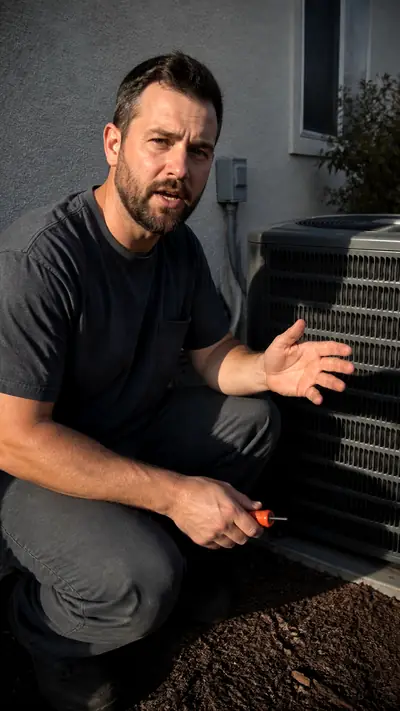
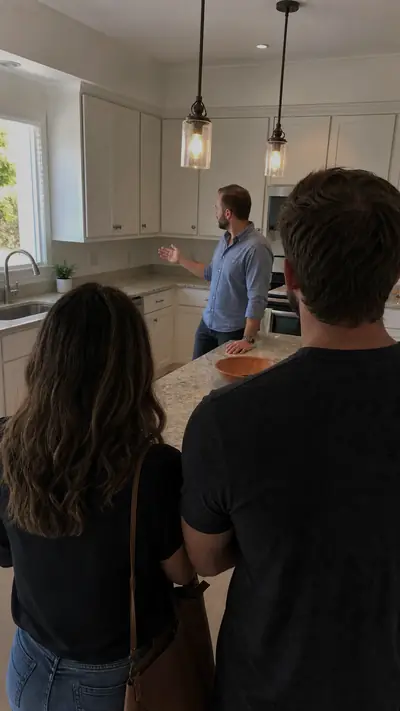

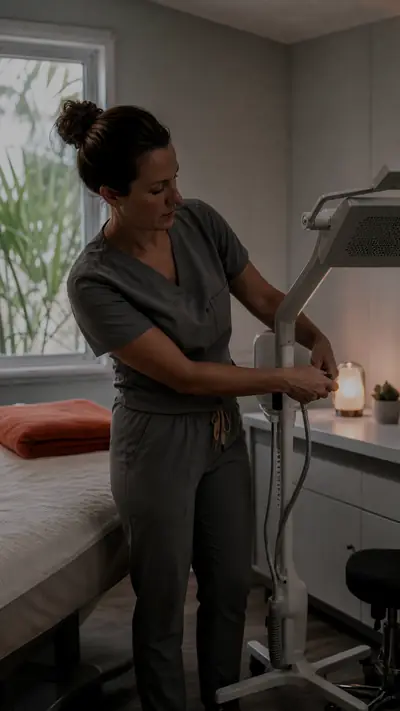
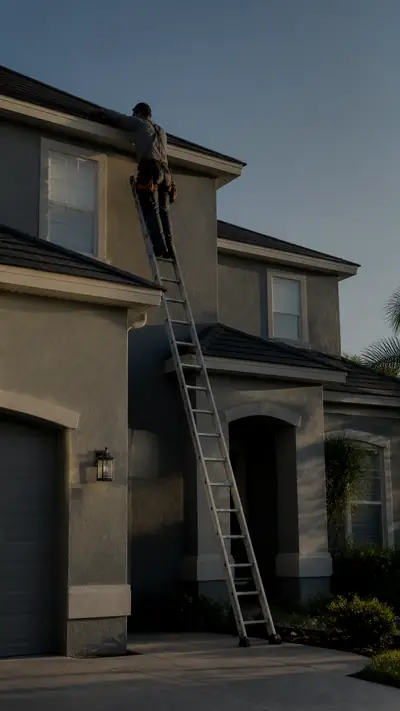

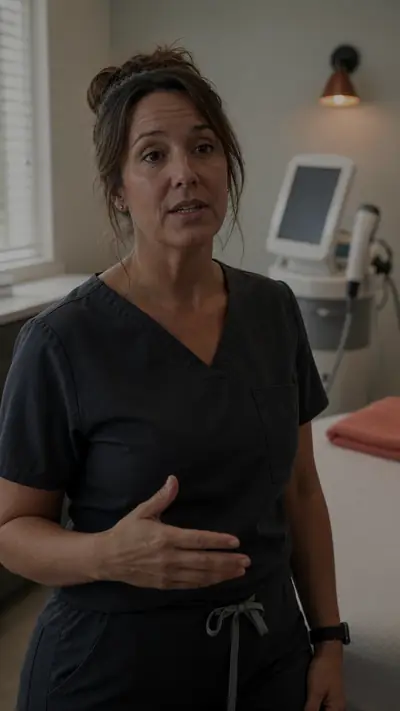





You're the
bottleneck
Not because you're bad at this. Because the machine only runs when you're in front of it, and you're running a business.
The math doesn't work
Your agency delivers twelve posts a month. The algorithm rewards thirty-plus units across five surfaces. Twelve isn't a small version of thirty. It's below the threshold where anything happens at all.
Ideas were never the shortage
You know what to say. You've said it a thousand times on the phone to customers. The gap is between knowing it and having it filmed, cut, captioned, and scheduled by Tuesday.
Every cycle needs you on camera
So content happens when you have a free afternoon. You don't have free afternoons. The account goes quiet for three weeks, then gets four posts in a day, and the algorithm treats you like a stranger.
Nobody can tell you what it earned
The report shows reach and follower growth. Neither one has ever paid an invoice. You're funding a line item you can't defend, which is why you keep almost cancelling it.
The bottleneck is production, not strategy.
Strategy is a two-week problem. Every competent operator in your market already knows roughly what to post — the pillars aren't secret, the formats aren't secret, the hooks aren't secret. What separates the accounts that compound from the ones that stall is whether anybody solved manufacturing. Volume, at a consistent rhythm, without the owner as a required input. Solve that and the rest is downstream. Skip it and the best strategy deck in Florida produces nine posts and a quiet quarter.
What we count
and what we don't
Agree on this before money changes hands. Half the reason social gets cancelled is that nobody defined the win, so the report defaults to whatever number went up.
Counts as a result
- Inbound DMs and form fills you can trace to a post
- Branded search volume — people typing your company name into Google
- Calls that open with "I've seen your videos," which close faster and negotiate less
- Lower cost per lead on paid, because the audience arrives already warm
- Sales cycle length, especially on higher-ticket work
- Recruiting — techs and staff who applied because they saw the shop
Does not count
- Follower count
- Impressions and reach
- Likes, saves, shares in isolation
- "Engagement rate"
- A viral post that sold nothing
- Screenshots of a graph going up
Follower count matters for a personal brand selling to an audience. You're a local service business selling to a territory. Ten thousand followers in Ohio is a rounding error. Four hundred people in your county who know your face is a pipeline.
Five questions
Answers stay in your browser. Nothing is sent, nothing is stored, no email gate at the end.
Two production tracks
Same strategy layer, same reporting, same content system. The only thing that changes is how the footage gets made — and that single decision drives cost, volume, and how much of your week disappears.
| Track A — Miami Production | Track B — No-Shoot Production | |
|---|---|---|
| Your time | One day every 4–6 weeks | Roughly 30 minutes a month, approving scripts |
| On camera | You, your crew, the job site, the room | Your AI presenter, built from one recording session — or no face at all |
| Monthly volume | 20–30 units | 40–60 units |
| Geography | Miami-Dade, Broward, Palm Beach | Anywhere in the US |
| Cost per unit | Higher — a crew has to show up | Roughly a quarter of Track A |
| Turnaround | 2 weeks from shoot to first post | 5 days from kickoff |
| Best for | Work you can see: installs, builds, treatment rooms, walkthroughs, before-and-afters | Explaining, answering, teaching, correcting — anything that's mostly you talking |
| Where it breaks | Owner can't protect the day. Two cancelled shoots and the pipeline is empty. | High-ticket first impressions. Nobody signs a $40K job off a synthetic face. |
Most clients end up between the two. Skip to the hybrid if you already know you want your real face without a monthly shoot.
Miami Production
We show up with a crew, shoot for one day, and leave with six weeks of content. Not a videographer with a gimbal and good intentions — a scripted day where every setup maps to a post that's already been planned, written, and slotted into the calendar.
Scripts before cameras
Thirty to forty pieces written and approved before anyone books a day. You read them on your phone and reply yes or fix.
One production day
Six to eight hours. Multiple setups, wardrobe changes, job site plus office. We run the shot list; you answer questions on camera.
Cut, caption, cover
Every clip cut to platform spec with burned captions, hooks tested against the first three seconds, and covers built for the grid.
Ship on a rhythm
Scheduled daily, not dumped weekly. The bank lasts 4–6 weeks, which is why the next shoot never becomes an emergency.
Live posts, not mockups. Every tile opens the real thing on the client's account.
No-Shoot Production
You stay on screen. Your calendar doesn't.
We record you once — about ninety minutes, on a phone if that's what you have — and build a presenter from it. After that, new content doesn't require you. You approve a script, we produce the video. The face is yours, the voice is yours, the time is back in your week.
If you'd rather not appear at all, the same pipeline runs faceless: b-roll, motion text, screen walkthroughs, voiceover. Plenty of service businesses do better this way — the work is more interesting than the owner.
Scripts, written by people
Built from your real objections, your pricing, your service area. Not scraped from competitors, not generated from a prompt about "HVAC tips."
You approve, then we generate
Nothing renders until you've read it. This is the only gate that needs your attention, and it takes about half an hour a month.
Assembly, not autopilot
Generated delivery is one layer. An editor adds pacing, b-roll, captions, sound. Raw output is never what ships.
Quality gate
Anything that lands in the uncanny middle gets killed, not shipped. We'd rather post forty good units than sixty that make you look cheap.
On disclosure — read this part
Synthetic presenters get labeled. Meta and TikTok both require it, and we tag the content at upload rather than hoping nobody notices. For regulated categories the bar is higher: if you're a MedSpa, a synthetic presenter cannot make a treatment claim, cannot imply a clinical outcome, and cannot appear alongside before-and-after imagery in a way that suggests those results came from the person on screen. Testimonials stay real people, on real cameras, with real consent on file. We'd rather lose the volume than hand you an FTC problem — and if your category can't support this track cleanly, we'll tell you during the audit instead of after the invoice.
Shoot once a quarter
One production day every three months does two jobs at the same time. It fills the calendar with real footage of you and your crew — and it captures the source material that keeps Track B running for the next twelve weeks.
This is what we recommend to most clients, and it's the answer to the objection everyone raises about synthetic content. Real face at the top of the funnel where trust is decided. Volume underneath it where consistency is decided. Four camera days a year instead of twelve.
One shoot day
Live footage plus presenter source material captured in the same session.
Real footage carries the feed
Faces, job sites, team, the parts people need to believe.
Volume continues without you
Answers, objections, seasonal topics, local questions.
What actually
gets made
Four pillars, weighted. Not a theme for every day of the week — a ratio that holds across the month, because the mix is what compounds, not any single post.
Proof of work
The job itself. Installs, builds, treatment rooms, walkthroughs, the messy middle nobody else films. This is the pillar that converts.
Answers
The questions you field on the phone all day. Pricing, timelines, what goes wrong, what to ask another contractor before signing.
People
You, the crew, how the company runs. Drives recruiting as hard as it drives sales, which is worth more than most owners expect.
Local
Neighborhood-specific, season-specific, event-specific. Small reach, high intent, and it feeds branded search in your actual service area.
Facebook isn't a legacy checkbox for a local service business — it's where a large share of your buyers still make decisions, and it costs almost nothing to feed once Instagram is running. YouTube is the only platform on this list where a video keeps working twelve months later instead of seventy-two hours, so anything with search demand behind it gets a long-form cut as well as a Short.
One production unit, four surfaces
Nothing gets shot for a single platform. Every unit is cut, reformatted, recaptioned, and recovered for each surface it can serve. This is where the volume gap actually closes — not by working four times harder, but by refusing to throw away three quarters of what you already paid to produce.
Six stages,
applied to this
OmniGrowth is how every service here runs — a closed loop rather than a list of tasks. What follows is what each stage actually means when the channel is social, not the generic version.
Audit
Your last 90 days of posts against the three competitors ranking in your territory. What's been tried, what died, which pillar is missing.
Strategy
Track selection first — everything downstream depends on it. Then pillar ratio, platform priority, and a written definition of what counts as a win.
Execution
Scripts a month ahead, production on a fixed cycle, cut for every surface, scheduled daily. DMs and comments answered in business hours.
Analytics
Traceable leads separated from proxy signal. Branded search and direct traffic watched alongside, because organic social never fully attributes.
Finance
Cost per produced unit and cost per traceable lead, held against your paid channels. If social is the expensive one, you'll hear it from us first.
Scale
Winners get paid budget behind them rather than more organic guesses. The pillar that produced leads gets weighted up; the one that didn't gets cut.
Stage five is the one most social retainers never reach. It's also the only stage that tells you whether to renew.
Named people
You'll know who's responsible for your account, and it won't be whoever picked up the ticket that week.

Runs strategy, scripting, production scheduling, and community management. Sets the pillar mix, approves every unit before it ships, and is the person on your monthly call.

Defines how the work gets done and reviews it against that standard. Not the person editing your videos — the person accountable for whether they're good enough to leave the building.
What lands
in your drive
Written into the agreement, not implied on a call.
| Track A | Track BRecommended | Hybrid | |
|---|---|---|---|
| Content units per month | 20–30 | 40–60 | 35–50 |
| Production days | 1 per 4–6 weeks | None | 1 per quarter |
| Platforms managed | Up to 5 | Up to 6 | Up to 6 |
| Scripts written & approved | Included | Included | Included |
| Captions, covers, scheduling | Included | Included | Included |
| DM & comment management | Business hours | Business hours | Business hours |
| Raw footage handed over | Every shoot | Not applicable | Every shoot |
| Presenter model | — | Yours after month 3 | Yours after month 3 |
| Monthly reporting call | Included | Included | Included |
Ownership
Everything we produce for you is yours. Raw footage transfers after each shoot. The presenter model, its source recordings, and the voice profile transfer to you after the three-month minimum, in writing. If you leave, you leave with the asset — we're not interested in holding a client hostage with a face they paid for.
Numbers you can act on
Production status
What shipped, what's queued, what's blocked and who's blocking it. Two minutes to read, sent Monday.
Lead attribution
DMs, form fills, and calls traced back to social where tracking allows. Alongside branded search volume, which is the honest proxy for everything we can't trace directly.
Cost per outcome
Retainer divided by leads produced. Compared against your paid channels so you can see whether this is the cheap acquisition or the expensive one.
Dashboard
Looker Studio, always on, pulling from GA4 and platform APIs. You don't wait for a deck to find out how the month is going.
Published,
not negotiated
Three-month minimum on every track. Social produces nothing measurable in thirty days and anyone who tells you otherwise is selling you the first invoice.
- 20–30 units per month
- Crew on site, South Florida
- Up to 6 platforms
- Raw footage handed over
- 35–50 units per month
- Real footage + presenter volume
- Up to 6 platforms
- Presenter model yours after month 3
- 40–60 units per month
- Available nationwide
- Up to 6 platforms
- Presenter model yours after month 3
The ones that matter
Can't we just do this in-house?
Often yes, and if you have someone with real capacity we'll say so during the audit. The failure mode is predictable: it works for six weeks, then busy season hits and the person doing content is also the person doing something that bills. If you want to build it internally, take the audit and use the strategy document to hire against it. You'll be ahead of where you'd be otherwise, and we'd rather that than a retainer you resent by month four.
Doesn't AI content look cheap?
Bad AI content looks cheap, the same way bad video looks cheap. The tell is almost never the generation — it's the absence of editing. Raw output with no pacing, no b-roll, no sound design, and a script that reads like it was written by something that has never quoted a job. Our pipeline puts a human on the script and a human on the edit, and kills anything that lands in the uncanny middle. Watch the samples above before you decide. If they don't hold up, that's a real answer.
How long before this produces anything?
First inbound DMs typically land in weeks four to eight. Branded search moves around month three. A stable, predictable flow takes six months. Anyone promising results in thirty days is describing a lucky post, not a system — and lucky posts don't repeat on schedule.
Do you tell people the content is AI-generated?
Yes. Synthetic presenters get labeled at upload — both Meta and TikTok require it and we don't gamble on enforcement. In regulated categories the rules go further: no treatment claims from a synthetic presenter, no implied clinical outcomes, no before-and-after imagery presented as that person's results. Testimonials are always real people on real cameras with consent on file. If your category can't run this track cleanly, you'll hear it during the audit.
Who owns the presenter model if we stop working together?
You do, after the three-month minimum, transferred in writing along with the source recordings and voice profile. We don't retain it as leverage. If the work isn't worth renewing, holding your own face hostage isn't going to fix that.
What if we don't like what you produce?
Nothing ships without your approval on the script, and the whole point of scripting a month ahead is that disagreements happen on a document instead of after a shoot. If output misses the standard, we re-cut at our cost. If the direction itself is wrong, we rebuild the pillar mix. What we won't do is quietly keep posting things you're unhappy with because the calendar says so.
Why does everything start with a paid audit?
Because a free proposal is a sales document and a paid audit is work. Ten dollars, two days, and you keep every deliverable whether or not you hire us — the account review, the competitor breakdown, the track recommendation, the pillar structure. The price isn't a discount, it's a filter. It costs us more to produce than we charge, and it's the fastest way to find out if we're useful to each other.
Start with the audit
Ten dollars. Two business days. You keep everything, whether or not we work together after it.

Start with a SCAN Audit
Every engagement begins with a $300 diagnostic — 30 checkpoints across your website, ads, local presence, and tracking. Delivered in 7 business days, credited toward your first invoice.
Start the audit
Five business days. Real data
+1 (786) 696-3876