
Search The Site


$10 buys an honest answer about your Meta account.
Most agencies will sell you a retainer before they've looked at your account. We look first, charge ten dollars for the answer, and tell you honestly if this channel isn't for you.


















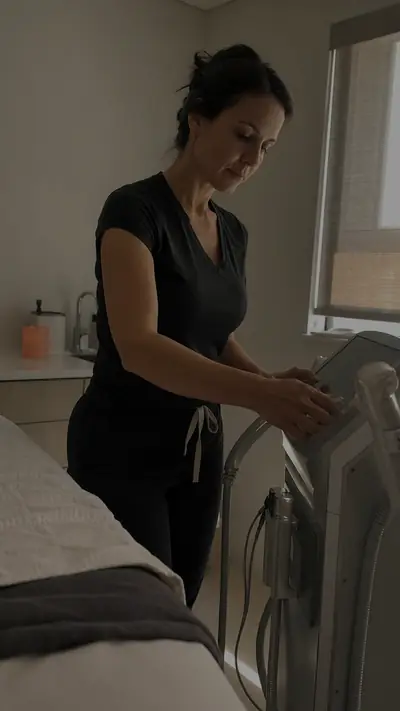



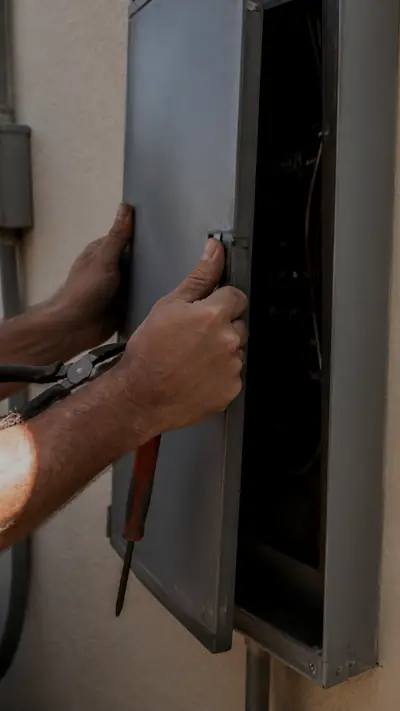
Before you spend another dollar — check what's broken
between the click and the call.
Most Meta accounts don't have a targeting problem. They have a measurement problem. Five questions, and you'll know which one you have.
You've run Facebook ads before.
Here's how it usually goes.
Four sentences we hear almost verbatim, and what each one is actually telling you about the account underneath.
“We got leads for four dollars. Half the numbers were fake. The rest never picked up.”
Cheap leads are a pricing signal, not a win. When a form asks nothing and an offer filters no one, the algorithm finds the people cheapest to convert — which is the same group least likely to buy.
→ how we fix this“It worked great for two weeks. Then it just stopped.”
That's creative fatigue, and it's structural. On Meta, every winning ad has a shelf life measured in days, not quarters. If nothing new is entering the account on a schedule, decline isn't a risk — it's the timeline.
→ how we fix this“Our agency sends a report every month. My schedule doesn't match it.”
Meta counts a conversion when a form is submitted. Your business counts it when someone books. Nothing was connecting those two systems, so the account optimized toward the wrong one.
→ how we fix this“Our ad account got restricted and nobody could explain why.”
Real estate runs under Special Ad Category rules. Moving companies accumulate customer feedback scores that quietly throttle delivery. Most agencies learn this on your account.
→ how we fix thisThree reasons Meta ads stop working —
and only one is the algorithm.
Three, because three is what gets repeated to a partner over dinner — and that's usually who the decision gets made with.
Targeting is dead. Creative is the targeting.
After iOS 14 and the shift to Advantage+, you don't choose who sees your ad anymore. The algorithm does — and it decides based on who reacts to your creative. An agency still selling “custom lookalike audience setup” is selling a 2019 service. The only lever left is what's inside the ad.
Every winning ad is already dying.
Frequency climbs, response drops, cost per result rises. This isn't a failure state — it's the normal life cycle of a creative, and it runs on a two-to-four week clock. Accounts don't decline because someone made a mistake. They decline because nothing new entered the rotation.
You're grading the work inside Ads Manager.
Cost per lead, CTR, and ROAS measure the ad. They don't measure the business. Until closed jobs flow back into the ad account, Meta optimizes toward whatever is cheapest to submit a form — which, reliably, is the worst lead you can get.
every lead costs moreNew creative → cost resets
Two machines, not a
monthly reporting habit.
We test hooks, not audiences — and we build the entry offer before a single ad runs. Those are the two things that decide whether Meta works for you.
The creative engine
Every month runs a structured matrix — hooks against formats against angles, with proof elements rotated through. Winners get scaled, losers get killed on a fixed schedule instead of when someone happens to notice. The point isn't volume for its own sake — it's that you can't find a winner you never ran.
You film it. We make it work.
We don't do production — no crews, no studios, no eight-thousand-dollar brand films. On Meta that's usually an advantage: twenty seconds of your crew wrapping a couch, shot on a phone, beats a polished commercial most of the time, because it looks like something a person posted rather than something a brand bought.
The offer architecture
Before a single ad runs, we build the entry offer: specific, cheap enough to say yes to, and structured so the money is made downstream. An $89 diagnostic isn't a discount — it's a filter that puts a technician in a driveway. Nobody on Facebook is looking for you; you're interrupting them, and interruption costs an offer.
Meta reported 60 leads. The CRM has 8.
Here's where the other 52 went.
Nothing here was a Meta problem. The account was doing exactly what it was told: find the cheapest possible form submission. Nobody had ever told it what a customer looked like.
The stack that fixes it
Conversions API
Events fire server-side, not from the browser. Meta optimizes on what actually happened instead of what an ad blocker allowed through.
Offline conversion upload
Every week, closed jobs go back into the ad account. The algorithm stops hunting for form-fillers and starts hunting for people who look like your actual customers.
Qualifying questions
A form that costs twenty seconds removes almost everyone who was never going to answer the phone. Your cost per lead goes up. Your cost per booked job goes down.
Speed-to-lead routing
A lead contacted in five minutes converts several times better than the same lead an hour later. We build the routing, the instant auto-response, and the no-answer follow-up.
The monthly loop
What closed, what didn't, and why — fed back into creative and offer every month. This is the part that compounds.
The rules nobody mentions
until your account is already down.
Real estate and moving each run under constraints most agencies meet for the first time on your account. Here's what they are and how we build inside them.
Real estate
Special Ad Category (Housing)- ✕no ZIP or radius targeting under 15 miles
- ✕no age targeting
- ✕no gender targeting
- ✕no lookalikes built on standard audiences
- ✕limited detailed targeting options
These aren't best practices — they're enforcement. Most of what a standard agency does by default is prohibited here, and the penalty lands on your account, not theirs. We build campaigns inside the constraint: the targeting is gone, so the creative and the offer carry the entire load. That's a harder job, and it's the only one available.
Moving
Account health and seasonality- !customer feedback score throttles delivery
- !high-complaint industry by nature
- !May–September demand spike, Q1 collapse
- !lead sold to five companies simultaneously
Meta tracks complaints and negative feedback against advertisers, and moving is structurally a high-complaint category — one bad experience in a stressful move becomes a review that quietly costs you reach. We monitor account health as a metric, not an afterthought, and build the calendar around the season instead of pretending it doesn't exist.
Account infrastructure — for everyone
Business Manager stays in your name, not ours. Domain verified. Backup ad accounts and pages provisioned before you need them. A written recovery path if something goes down. When this relationship ends — for any reason — you walk away owning your account, your pixel data, your creative, and your audiences. We've inherited too many businesses locked out of assets an agency registered in its own name.
The one that pays for
itself in clarity.
One product, one price, one turnaround. Everything in it is yours to keep — including the version where we tell you not to run Meta ads.
The Meta Ads Audit
Ten dollars. Two business days. You keep everything — whether or not we ever work together.
- Full account teardown — structure, spend allocation, and what's actually driving results versus what's just spending
- Creative audit — every ad you've run, ranked by performance, with fatigue analysis and what the pattern says
- Offer analysis — what you're asking for, versus what this market will actually say yes to
- Tracking audit — exactly what's broken between the ad click and your CRM, in order of impact
- Compliance review — Special Ad Category exposure, account health, and category-specific risk
- Competitive teardown — what three to five competitors in your market are running right now
- 90-day plan — budget, creative volume, expected cost per booked job, and what has to be true for it to work
- 45-minute walkthrough call — recorded, so your partner or ops manager can watch it without you re-explaining it
Running more than one channel? The OmniGrowth Full Audit ($250) covers paid search, SEO, site, and analytics as one system — and the fee is credited toward your first month if you continue. The $10 Meta audit counts toward it. See what's included →
If the audit says yes —
here's what the work costs.
Published, not negotiated on a call. If the numbers don't work for your spend level, you'll know before you email us.
| Monthly ad spend | Creative iterations included |
|---|---|
| $3,000 – $6,000 | 4–6 |
| $6,000 – $15,000 | 6–12 |
| $15,000+ | 12–20+ |
Creative volume scales with spend — not because we're rationing, but because testing needs conversions to produce signal. At $3K you can't learn anything from twenty creatives. At $15K you can't learn enough from four.
Campaign structure and daily management. Creative iteration — recutting, rehooking, captioning, and adapting everything you send us. Conversions API and offline conversion upload. Lead routing and speed-to-lead setup. Weekly optimization, monthly reporting against booked jobs rather than form fills.
Original production. No crews, no studios, no shoots. You film it — phone footage is fine and usually better — and we handle everything after that. If you genuinely need production, we'll refer you rather than pretend we do it.
We don't take accounts under $3,000 a month in ad spend. Below that, Meta doesn't get enough conversion volume to learn, and you'd be paying us to guess.
Audit → Strategy → Execution → Analytics → Finance → Scale. Meta lives in Execution, but it reports into all six. See how the system works →Don't hire us if —
and we'll say so first.
Four situations where we're the wrong call. We'd rather lose the deal here than three months in.

You want to skip the audit and start with a retainer
We don't take accounts we haven't looked at, and no amount of budget changes that.
Your ad budget is under $3,000 a month
The channel needs volume to learn. Below that we'd be guessing on your money.
You need leads this week
First signal takes about 30 days. Something you can make decisions on takes 90.
You want ads run without touching the offer
The offer is the work. If it's not on the table, neither are we.
Your account is his —
not a pool's.
One senior owner on your account — and you know his name before you pay anything.

Builds the campaign structure, runs the creative testing matrix, and owns the weekly optimization cycle. Your account is his — not a pool's, not a rotating queue's. He reviews every account before anything goes out, and he's who answers when you email — the person accountable for whether it was done right.
remove duplicate founderThe questions everyone asks
before they say yes.
Budget, ownership, timelines and what happens when something breaks — answered the way we'd answer them on a call.
How much should I be spending on Meta to start?
Three thousand a month is our floor, and five is where it gets comfortable. Below three thousand, the account doesn't generate enough conversions for the algorithm to learn anything — you end up paying for data collection rather than results.
How is this different from Google Ads? Do I need both?
Google captures demand that already exists — someone typed “AC repair near me” and you show up. Meta creates demand that doesn't — nobody was looking for you, so the ad has to interrupt and the offer has to be worth interrupting for. Different job, different math, different team. Plenty of our clients run only one. We handle Google Ads separately →
Who owns the ad account and the creative?
You do. Business Manager stays in your name, the pixel data is yours, and every creative asset we produce goes with you if we stop working together. We've inherited too many businesses locked out of accounts an agency registered in its own name to do it any other way.
How fast will I see results?
First meaningful signal at about 30 days — enough to know if the offer and the creative direction are right. Something you can make budget decisions on at 90. Anyone promising faster is either lucky or lying, and you can't tell which until the money's gone.
Do you work outside Florida?
Yes. We're based in Florida and most of our clients are here, but we run accounts across the U.S. Local market knowledge matters less on Meta than it does on Google, because you're not competing for search results — you're competing for attention in a feed.
What if another agency is running the account right now?
That's fine and it's common. The $10 audit doesn't require you to end anything — plenty of people buy it specifically to get a second opinion on work they're already paying for. We'll need view access, which takes about two minutes to grant and doesn't affect anything running.
Do I have to sign a long contract?
Three-month minimum on the retainer, then month-to-month. The three months aren't a lock-in tactic — that's genuinely how long it takes for creative testing and conversion data to produce something worth judging. The $10 audit has no commitment at all.
What happens if my ad account gets restricted?
We provision backup ad accounts and pages before you need them, and there's a written recovery path for every account we run. Restrictions happen — in real estate and moving they happen more than most — and the difference between a bad week and a bad quarter is entirely whether someone prepared for it.
Start with ten dollars.
Two business days, a full teardown of your account, and an honest answer — including the answer where we tell you not to run Meta ads at all.
Start with the $10 audit
Account teardown, creative and offer analysis, tracking and compliance review, a 90-day plan and a recorded walkthrough. Yours to keep either way — including the version where we tell you this channel isn't for you.
- 2 business days
- No contract
- No call required first
Just tell us what's going on
Not ready to hand over account access? Send a note with what you're spending and where it feels stuck, and we'll tell you whether an audit is even worth your ten dollars.
- Real reply
- No sales script
- Straight answers
Start with a SCAN Audit
Every engagement begins with a $300 diagnostic — 30 checkpoints across your website, ads, local presence, and tracking. Delivered in 7 business days, credited toward your first invoice.
Start the audit
Five business days. Real data

+1 (786) 696-3876